Buying a used caravan is one of the best ways to get into the lifestyle without paying new prices — but there's a lot to know before you hand over your money.
Buying a used caravan is one of the best ways to get into the lifestyle without paying new prices — but there's a lot to know before you hand over your money. Here's everything you need to buy smart.
Whether you're a first-timer dreaming of a lap around Australia or a seasoned camper upgrading to something bigger, the used caravan market in 2026 is full of opportunity. Prices have softened from their post-COVID highs, there's strong supply from dealers and private sellers alike, and platforms like Camplify Xchange mean you can find vans that have already been tested by real families on real roads.
This guide covers everything — what to look for, how to inspect, how to finance, and a few tricks to avoid getting burned.
What type of caravan do you actually need?
Before you start browsing, get clear on your use case. The market breaks into several types:
Touring caravans are the classic — towable, ranging from lightweight pop-tops to full ensuite 24-footers. Best for families and long trips. Most common on the used market.
Camper trailers fold out and are much lighter, making them easier to tow with a smaller vehicle. Good entry point for beginners. Limit on comfort for extended stays.
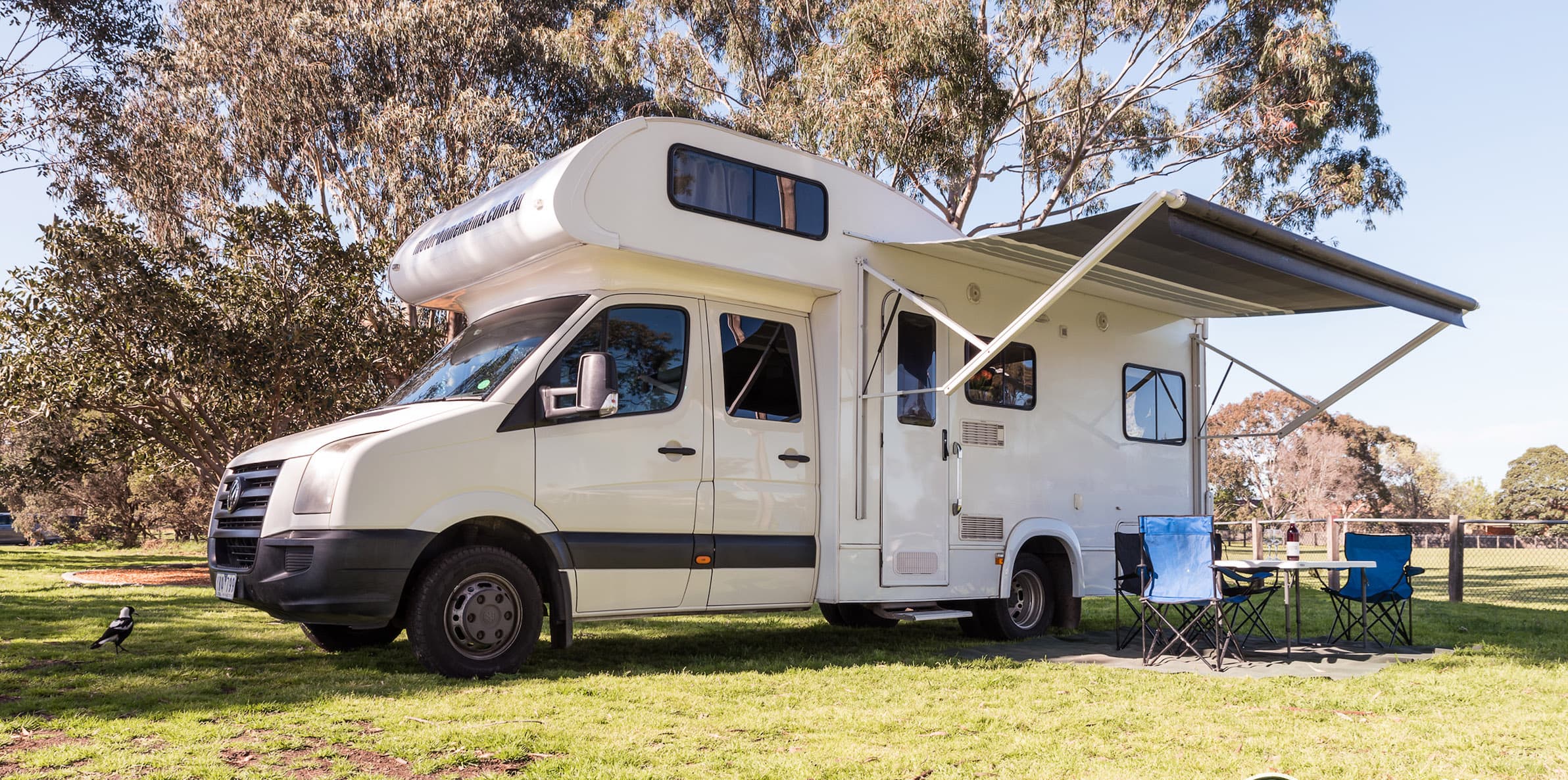
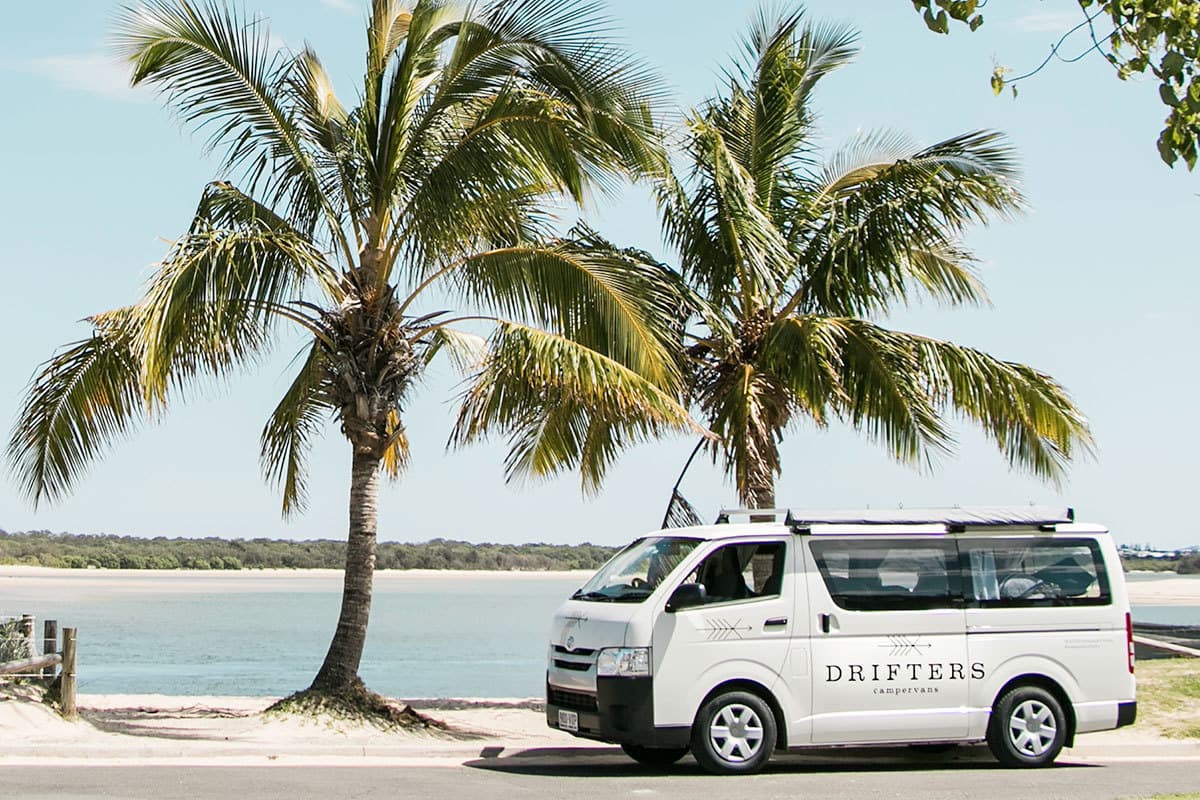
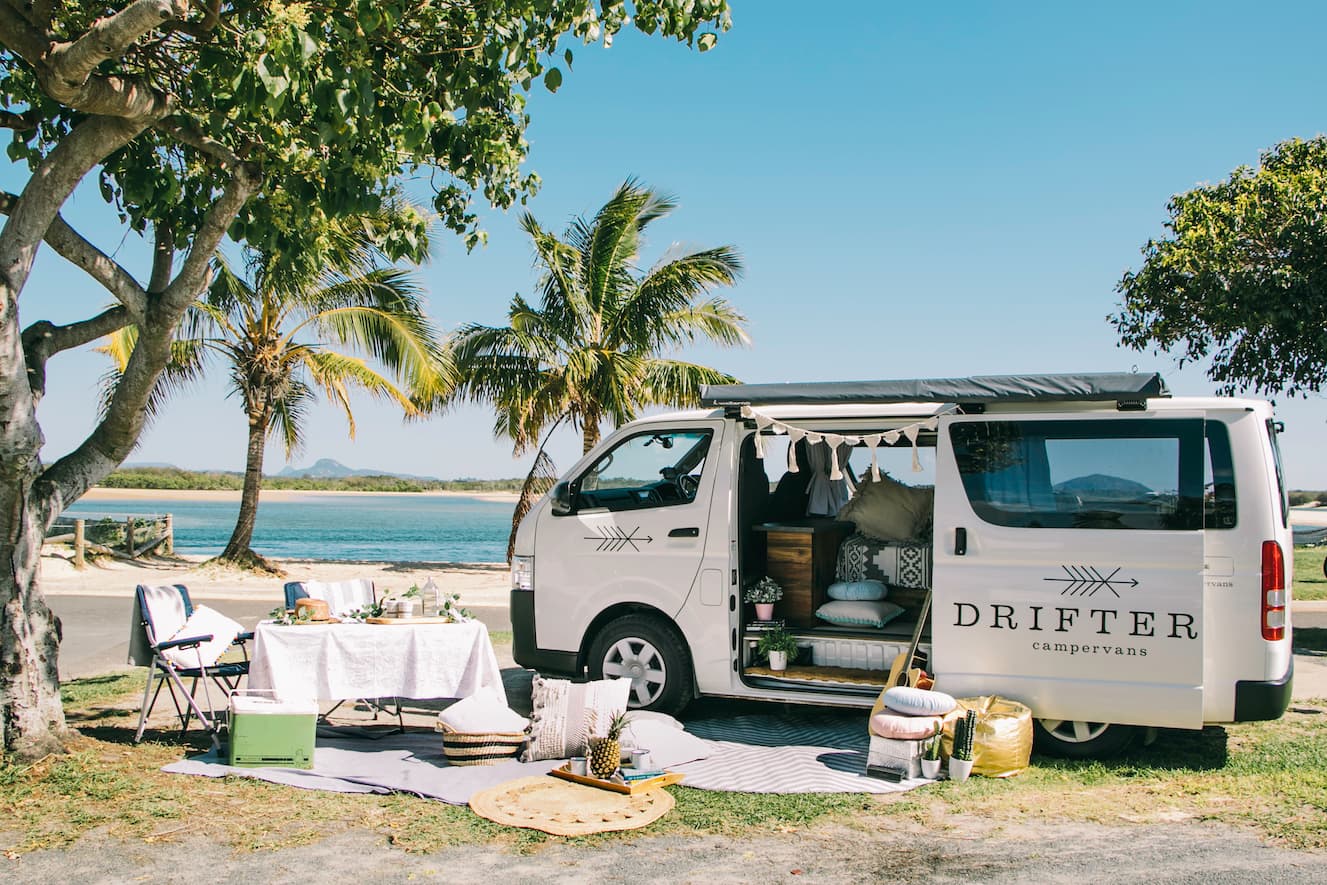
Motorhomes and campervans are self-propelled — no tow vehicle needed. Higher entry price but simpler for couples or solo travellers.
Off-road caravans are built for unsealed roads — independent suspension, higher clearance, reinforced chassis. Worth the premium if you plan to go beyond the highway.
A quick rule of thumb: start lighter than you think you need. The most common first-caravan mistake is buying too big to tow comfortably.
Setting your budget
Used caravans in Australia span a huge price range. Here's a rough guide for 2026:
| Type | Budget end | Mid-range | Quality end |
|---|---|---|---|
| Camper trailer | $5,000–$12,000 | $15,000–$25,000 | $30,000+ |
| Pop-top caravan | $10,000–$20,000 | $25,000–$40,000 | $45,000+ |
| Full caravan | $15,000–$30,000 | $35,000–$60,000 | $65,000+ |
| Off-road caravan | $20,000–$40,000 | $45,000–$75,000 | $80,000+ |
| Motorhome | $30,000–$60,000 | $65,000–$120,000 | $130,000+ |
Don't forget to budget for extras: tow bar fitting ($500–$1,500), electric brake controller ($300–$800), towing mirrors ($100–$400), and a first service ($200–$500).
Where to buy
Camplify Xchange — Australia's newest caravan marketplace with a key difference: many listings come with verified Camplify hire history and real owner reviews. You can see exactly how a van has performed in the real world before you buy. Some listings are even available for "try before you buy" — hire it first, then decide.
Caravan dealers — offer warranties and finance options, but prices are higher. Good if you want peace of mind and don't want to do your own inspection.
Private sellers — best prices but no consumer guarantees. Requires more due diligence. Gumtree and Facebook Marketplace are common but offer no vetting of listings.
Caravan shows — great for comparing models side by side, though mostly new stock.
The pre-purchase inspection checklist
This is the most important section. A caravan that looks great on the outside can be hiding thousands of dollars in problems. Here's what to check:
1. Water damage — the #1 thing to check first
Water ingress is the most expensive problem in used caravans and it's extremely common. Look for:
- Soft spots in the floor, especially near the bathroom and kitchen
- Staining on ceiling panels or walls
- Musty smell inside
- Bubbling or delamination of the external walls
- Check all external seals — windows, vents, roof joins — for cracking
If you find soft spots or delamination, walk away unless the price reflects major repair costs.
2. Chassis and undercarriage
Get underneath and look at:
- Rust on the chassis rails — surface rust is normal, deep pitting is a red flag
- Condition of the axle(s)
- Leaf springs or independent suspension — check for cracks or sagging
- Coupling and jockey wheel — should operate smoothly
- Tyres — check date code (on sidewall, 4-digit code = week/year). Tyres over 7 years old should be replaced regardless of tread.
3. Electrical system
- 12V system — test all lights, fans, water pump
- Solar panels (if fitted) — check the regulator is functional
- Battery condition — a battery over 3–4 years old likely needs replacing ($200–$600)
- 240V hookup — test all power points with a simple plug-in tester ($10 from Bunnings)
- Check the battery and fuse box for amateur wiring — a common problem on older vans
4. Gas system
- Check gas lines and fittings for any signs of corrosion or amateur repairs
- Test the cooktop, oven, and hot water system
- Gas regulators should be replaced every 10 years (date-stamped on the regulator)
- Ask for the gas compliance certificate if available
5. Plumbing
- Run the taps — check water pressure and flow
- Check under the sink and around the toilet for leaks or soft cabinetry
- Test the hot water system
- Check grey water tank — ensure the outlet valve works
- Inspect the shower — look for mould around the seal
6. Exterior
- Check the roof from a ladder — any cracks, puddles, or damaged vents?
- Check all exterior hatches open and close properly
- Awning — extend it fully and check for tears, mould, and that the mechanism works
- Check all windows seal properly and that blinds/flyscreens operate
7. Documents to ask for
- Registration papers (confirm it matches the seller's ID and VIN on the van)
- Service history if available
- PPSR search (Personal Property Securities Register) — $2 online at ppsr.gov.au — confirms no finance owing and it hasn't been written off
Getting a professional inspection
For any van over $20,000, seriously consider a professional caravan inspection. Services like Integrity Caravan Inspections or NRMA (for members) can do a thorough inspection for $300–$500. This will find problems you'll miss and gives you negotiating power — or saves you from a very expensive mistake.
Financing your caravan
Most buyers use one of three options:
Secured personal loan — typically 6–9% p.a. for good credit. The caravan acts as security. Most common option.
Caravan-specific finance — offered by dealers and specialists like MyWay Finance. Often 7–10% with flexible terms of 3–7 years. Useful if you're buying from a private seller.
Redraw from home loan — if you have equity, using your home loan rate (currently 6–7%) is the cheapest option. Just be aware you're securing a depreciating asset against your home.
As a rough guide, a $45,000 caravan on a 5-year secured loan at 8% p.a. costs around $912/month. On 7 years it's around $700/month.
The try before you buy option
One of the smartest ways to buy a used caravan — especially if you're new to the lifestyle — is to hire the exact van you're considering before committing.
Camplify's "try before you buy" program lets you hire a van from an owner who has it listed for sale. You get to experience it on a real trip — sleeping in it, towing it, cooking in it — before making a $40,000+ decision. It's unique to Camplify and genuinely game-changing for buyers who've never caravanned before.
You can find vans available for try before you buy on Camplify Xchange.
Negotiating the price
Private sellers typically have 10–20% flexibility. Dealers have 5–10%. Use your inspection findings as leverage — a new battery needed ($400), tyres due for replacement ($800), water ingress repair quote — all reduce your offer accordingly.
Don't be afraid to walk away. There are always more vans. The best deals go to patient buyers.
Registering and insuring your caravan
Registration — transfer is handled at your state's transport authority (Service NSW, VicRoads etc.). Budget for stamp duty (typically 3–5% of purchase price depending on state) and transfer fee.
Insurance — get quotes from NRMA, Budget Direct, Youi, and specialist insurers like Caravan Guard and CMCA. Agreed value policies are worth the extra premium for newer vans.
Final checklist before you buy
- PPSR search completed — no finance, no write-off
- Water damage inspection done — floor firm, no delamination
- Tyres checked — under 7 years old
- All systems tested — 12V, 240V, gas, plumbing
- Documents match — VIN, rego papers, seller's ID
- Finance pre-approved if needed
- Insurance quote obtained
- Professional inspection completed (if over $20,000)
Browse thousands of inspected listings from private sellers and verified dealers at Camplify Xchange.
Part of the Camplify Xchange editorial team, sharing expert RV advice for Australian adventurers.